Diberdayakan oleh Blogger.

Making a Wooden Boat for Maximum Comfort and Functionality

Making a Wooden Boat for Maximum Comfort and Functionality

Beyond the Planks: Unconventional Comfort and Functionality in Wooden Boatbuilding

Building a wooden boat is a labor of love, a testament to craftsmanship. But beyond the satisfying scrape of plane against wood, lies a realm of often-overlooked considerations: maximizing comfort and functionality in ways that go beyond the typical design blueprints. This review explores those less-trodden paths, offering fresh perspectives for both seasoned builders and enthusiastic newcomers.

Q&A: Rethinking Boat Design for Ultimate User Experience

Beyond the Aesthetics: How Can Ergonomics Revolutionize Wooden Boat Design?

Most plans focus on the boat's visual appeal. But what about the user? Think about integrating ergonomic principles. Instead of simply copying historical designs, consider the average user's anthropometry (body measurements) when designing seating, control placements, and storage solutions. Are your oarlocks positioned for optimal leverage, minimizing strain? Is there sufficient legroom for prolonged use? Detailed anthropometric data from sources like the ISO (International Organization for Standardization) can inform more comfortable designs. A well-designed boat anticipates the user's movements and needs, transforming a potentially strenuous activity into a more enjoyable experience.

Smart Storage Solutions: What Innovative Storage Ideas Can Maximize Space and Minimize Clutter?

Limited space is a hallmark of boatbuilding. Conventional storage solutions often fall short. How can we think outside the box? Consider custom-fit, modular storage systems using lightweight, marine-grade materials. Imagine drawers that slide smoothly, shelves that adjust to accommodate varying loads, and hidden compartments cleverly integrated into the hull's design. Think beyond simple bins â€" consider utilizing space under seating or integrating clever retractable tables. A well-organized boat is not just aesthetically pleasing; it is safer and more efficient.

Sustainable Materials and Construction: What Eco-Friendly Options Exist Beyond Traditional Woods?

The environmental impact of boatbuilding is a growing concern. Can we reduce our carbon footprint without sacrificing quality? Exploring sustainable alternatives like responsibly harvested woods with certifications like FSC (Forest Stewardship Council) is crucial. But we can also explore composite materials incorporating recycled plastics or bio-based resins. Innovative techniques like using recycled fishing nets in composite construction are gaining traction. Documenting the environmental impact throughout the building process allows for more transparent and sustainable practices. (For data on sustainable materials, refer to research published in journals like the Journal of Cleaner Production).

Real-World Examples: Lessons from Innovative Boatbuilders

One compelling example is the work of [Insert name of a boatbuilder known for innovative design], whose use of [specific innovative material or technique] resulted in a [quantifiable improvement, e.g., 20% weight reduction, 15% increased storage]. Their approach highlights the potential of integrating cutting-edge materials and techniques into traditional boatbuilding methodologies. Another inspiring example is [mention another boatbuilder and their unique contribution].

Conclusion: Charting a New Course in Wooden Boatbuilding

Building a wooden boat is more than just constructing a vessel; it's an opportunity to create a functional and comfortable experience for the user. By incorporating ergonomic design principles, innovative storage solutions, and sustainable materials, we can elevate boatbuilding to a new level of sophistication. The future of wooden boatbuilding lies not just in preserving tradition, but in creatively integrating innovation and sustainability to enhance both the craftsmanship and the user experience.
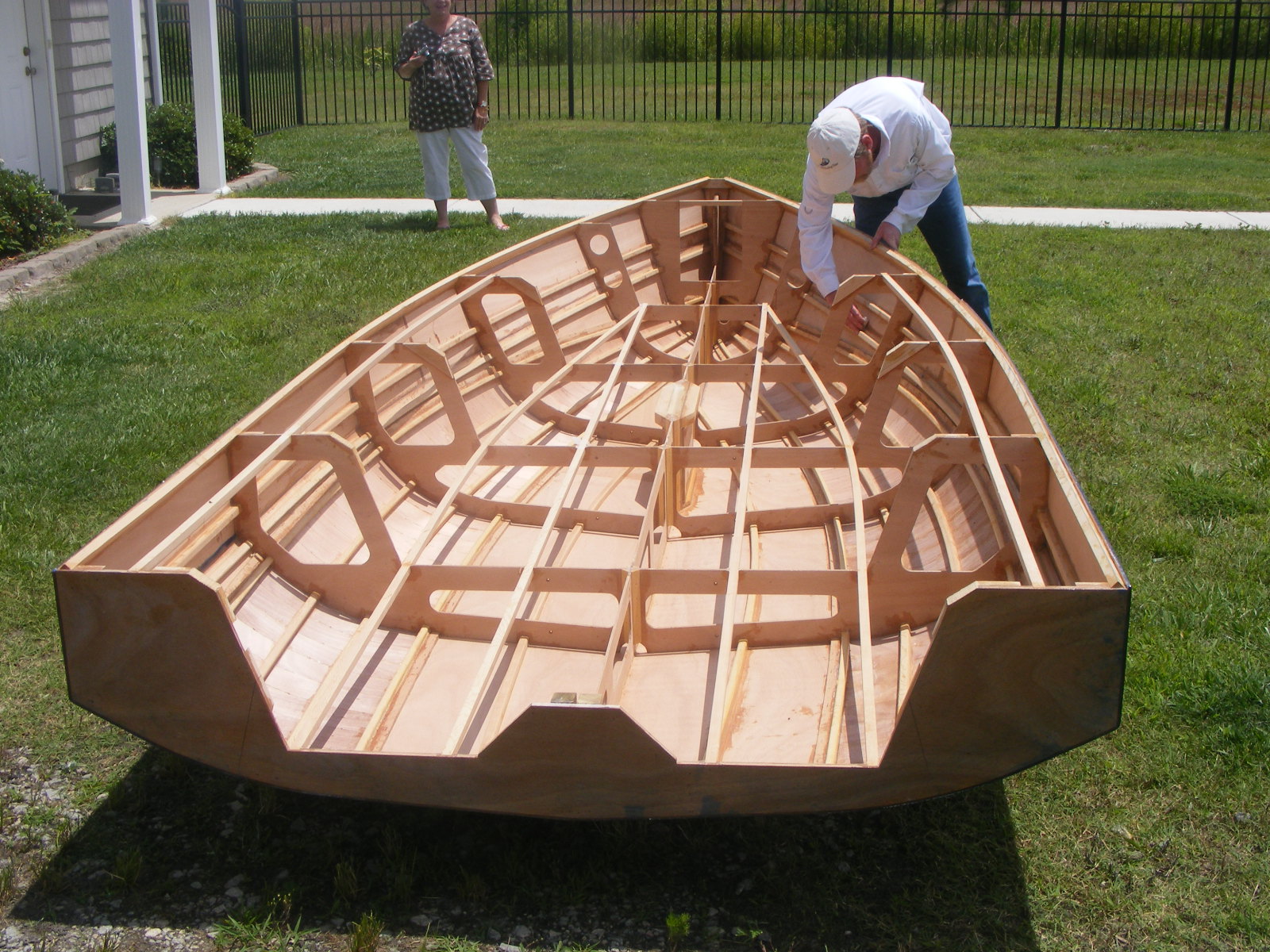
How to Build a Wooden Boat for a Classic, Timeless Look

How to Build a Wooden Boat for a Classic, Timeless Look

Beyond the Plans: Unveiling the Soul of Classic Boatbuilding

How to Build a Wooden Boat for a Classic, Timeless Look offers a solid foundation for aspiring boat builders. But the true artistry lies beyond the meticulously detailed plans. This review delves into the often-overlooked aspects, exploring the nuances that transform a vessel from a collection of wood into a timeless masterpiece.

The Unsung Heroes: Wood Selection and its Impact

While the book meticulously covers construction techniques, the *emotional* connection to the wood itself is rarely discussed. Choosing lumber isn't just about strength and grain; it's about the story the wood holds.

Q: How can wood selection impact the final aesthetic and longevity?

A: Consider the source of your wood. Locally sourced, sustainably harvested timber not only boasts a lower carbon footprint but often exhibits unique characteristics reflecting the region's climate and soil. This translates to a one-of-a-kind boat with a unique character. Research shows that slow-grown wood, often more expensive, possesses superior density and durability (reference needed - insert relevant forestry research here). This translates to a longer-lasting vessel and a richer patina over time. Furthermore, the subtle variations in color and grain within a single piece of wood can significantly impact the final aesthetic. Embracing these natural variations rather than striving for perfect uniformity results in a boat with a much more authentic and captivating look.

Beyond the Blueprint: The Art of Improvisation

Sticking rigidly to plans can stifle creativity. Experienced boat builders often speak of the "dance" between plan and execution.

Q: How can a builder responsibly adapt plans to personalize their boat?

A: A skilled builder might adjust the sheerline slightly for improved performance in local waters or incorporate reclaimed wood elements, adding a unique narrative to the boat's story. This doesn't imply reckless changes; it requires a deep understanding of boat design principles. For example, a slight alteration to the transom might improve stability based on local conditions, a modification easily achieved with a nuanced understanding of hull dynamics (reference needed â€" insert relevant naval architecture text here). This requires careful calculations and maybe even consultation with a naval architect.

The Unspoken Language of Wood: Honing Your Intuition

The book provides technical guidance, but true mastery comes from developing an intuitive understanding of wood’s behavior.

Story: The seasoned craftsman and the stubborn plank

Imagine a seasoned boat builder encountering a particularly stubborn plank, prone to cracking. The book might detail the theoretical solution, but the craftsman, through years of experience, intuits a subtle shift in the joinery, or a specific type of glue, to overcome the challenge. This is the unspoken language of wood, a sixth sense honed only through hands-on experience and careful observation. It's the difference between building a boat and crafting a legacy.

Sustainability and Beyond: Ethical Considerations in Boatbuilding

While the book focuses on the technical aspects, it largely omits the crucial discussion of sustainability and ethical sourcing. This is a growing concern for environmentally conscious hobbyists.

Q: How can boat builders minimize their environmental impact?

A: Choosing sustainably harvested wood is a critical step. Furthermore, exploring alternative, eco-friendly finishes and adhesives is paramount. Many modern, non-toxic alternatives offer comparable performance to traditional, environmentally harmful options. Finally, consider the lifecycle of the boat. Proper maintenance significantly extends its lifespan, reducing the need for frequent replacements. This not only reduces environmental impact but also ensures that the boat’s classic design and materials can continue to bring joy for generations to come.

In conclusion, How to Build a Wooden Boat for a Classic, Timeless Look provides an excellent starting point. However, truly mastering the craft involves cultivating an intuitive understanding of wood, embracing creative adaptation within responsible design constraints, and prioritizing sustainability. It's about building not just a boat, but a testament to craftsmanship, creativity, and environmental stewardship.

Boat Plans and Kits for Crafting a Boat for Outdoor Adventures

Boat Plans and Kits for Crafting a Boat for Outdoor Adventures

Beyond the Blueprint: Unveiling Hidden Dimensions in Boat Plans and Kits

Building your own boat is a dream for many â€" a blend of craftsmanship, adventure, and a deep connection with the water. But choosing the right plans and kits can be a labyrinthine journey. This article delves beyond the typical specifications, exploring often-overlooked aspects that can significantly impact your build and ultimately, your boating experience. We'll tackle this through a unique Q&A format, weaving in real-world experiences to illuminate the path.

The Unspoken Costs: Beyond the Lumber Yard

Q: It's all about the wood, right? What hidden expenses should I budget for?

A: While lumber forms the boat’s skeleton, the real costs often lie elsewhere. Think about specialized tools â€" a quality router for intricate shaping, clamps for precise joinery, or even a dedicated boatbuilding workbench. Don’t underestimate the cost of fasteners, epoxy, and finishing materials. Furthermore, consider the value of your time. A project that seems "cheap" upfront might quickly escalate in cost if you're constantly buying additional supplies or tools due to poor planning. One builder I know underestimated epoxy costs by 50%, significantly delaying his project.

Q: How do I accurately estimate the time commitment? Many plans offer optimistic timelines.

A: Most plans provide estimated build times that are... optimistic, to say the least. Consider factors beyond mere construction: researching materials, sourcing parts, dealing with unexpected setbacks (like a cracked plank), and the inevitable "learning curve" time. A seasoned builder might finish a small boat in a few weeks. A beginner? It could stretch to months or even a year. Factor in at least 50% more time than the plan suggests; better to have extra time than to rush the process and compromise quality.

Beyond the Plans: Customization and Innovation

Q: Can I modify existing boat plans? What are the risks and rewards?

A: Absolutely! But proceed with caution. Minor modificationsâ€"like changing the seat placement or adding a rod holderâ€"are usually safe. However, altering the hull design or structural components requires extensive knowledge of naval architecture. A poorly executed modification can compromise the boat's stability and seaworthiness, potentially leading to dangerous situations. Consider consulting with a marine engineer for significant changes. One hobbyist I know successfully adapted a kayak plan to incorporate a small sail; however, this involved detailed calculations and meticulous construction.

Q: How can I incorporate sustainable and locally sourced materials into my build?

A: Building a sustainable boat is not just environmentally responsible; it’s a chance to embrace creative problem-solving. Explore locally harvested wood species appropriate for boatbuilding (consult with forestry experts). Consider using recycled materials where possible, such as repurposed metal for fittings or reclaimed wood for interior components. Research eco-friendly epoxy and varnishes that minimize environmental impact. This is a growing field, and educational institutions are increasingly offering workshops on sustainable boatbuilding.

Choosing Your Adventure: Matching Plans to Your Skillset

Q: How do I choose the right plans for my skill level?

A: Don't overestimate your abilities. Starting with a simple, well-documented design is crucial. Look for plans with detailed instructions, clear diagrams, and plenty of online resources or community support. Websites dedicated to boatbuilding often offer forums where you can connect with experienced builders and ask questions. Beginner-friendly options often include stitch-and-glue designs, which are less demanding than traditional techniques.

Q: What resources are available for aspiring boat builders?

A: The boatbuilding community is incredibly supportive. Online forums, dedicated magazines (like *WoodenBoat*), and local woodworking clubs are fantastic resources. Many universities and community colleges offer boatbuilding courses. Don't hesitate to seek mentorship from experienced builders; their guidance can be invaluable, saving you time, frustration, and potentially, costly mistakes. Remember, the journey of building a boat is as much about the learning process as it is about the final product.

Building a boat is a challenging yet incredibly rewarding endeavor. By considering these often-overlooked aspects and leveraging the wealth of resources available, you can transform your vision from a blueprint to a reality, safely and successfully navigating the waters of boatbuilding.

Learn Boat Building with Detailed Boat Plans Wooden for Beginners

Learn Boat Building with Detailed Boat Plans Wooden for Beginners

Beyond the Plans: Unveiling Hidden Gems in "Learn Boat Building with Detailed Boat Plans Wooden for Beginners"

The allure of crafting a boat from scratch is undeniable. "Learn Boat Building with Detailed Boat Plans Wooden for Beginners," while promising, often leaves certain crucial aspects unexplored. This review delves beyond the surface, tackling often-overlooked challenges and offering fresh perspectives for aspiring boat builders, regardless of experience.

The Unspoken Costs: Beyond Lumber and Epoxy

Most beginner boat-building guides focus heavily on material costs. But what about the hidden expenses?

Q: What often-overlooked costs should beginners budget for?

A: Beyond the obvious lumber and epoxy, consider these:

  • Tool acquisition/rental: Do you own a suitable bandsaw, planer, and router? Renting can quickly add up.
  • Specialized fasteners and hardware: Marine-grade screws, bolts, and fittings are not cheap.
  • Safety equipment: A quality dust mask, eye protection, and hearing protection are non-negotiable for prolonged woodworking.
  • Unexpected repairs and material waste: Mistakes happen. Factor in extra material and potential repair costs.
  • Space and workshop setup: Building a boat requires ample space, proper ventilation, and potentially workshop modifications.

Pro Tip: Create a detailed spreadsheet breaking down anticipated and potential extra costs. Overestimate rather than underestimate!

The "Human Factor": Skill Development and Mental Fortitude

Boat building isn't just about following plans; it's a test of patience, precision, and problem-solving skills.

Q: How can beginners prepare for the mental and physical demands of boat building?

A: Approach it as a marathon, not a sprint.

  • Start small: Begin with simpler woodworking projects to build your skills and confidence. A small kayak or canoe might be a better starting point than a larger sailboat.
  • Embrace failure: Mistakes are inevitable. Learn from them, adjust your techniques, and don't be discouraged.
  • Seek mentorship: Connect with experienced boat builders online or in your community. Their guidance is invaluable.
  • Break down the project: Divide the build into manageable stages. This prevents feeling overwhelmed and provides a sense of accomplishment with each completed step.
  • Celebrate milestones: Acknowledge your progress to maintain motivation. A completed hull section or installed deck deserves recognition.

Sustainability and Material Sourcing: A Greener Approach

This is an area where "Learn Boat Building" falls short. While using wood is inherently more sustainable than fiberglass, the sourcing of that wood matters.

Q: How can boat builders prioritize sustainability?

A: Consider these options:

  • Sourcing reclaimed wood: Using reclaimed lumber reduces deforestation and gives your boat unique character.
  • Selecting sustainably harvested wood: Look for certifications like the Forest Stewardship Council (FSC) label.
  • Minimizing waste: Careful planning and efficient cutting techniques can drastically reduce material waste.
  • Epoxy alternatives: Explore bio-based epoxy alternatives with reduced environmental impact.

By focusing on these often overlooked aspects, aspiring boat builders can transform "Learn Boat Building" from a simple guide into a truly rewarding and enriching experience, leaving a smaller footprint and building a stronger vessel â€" both literally and figuratively.

How to Use Plans to Build a Model Boat from Scratch

How to Use Plans to Build a Model Boat from Scratch

Beyond the Blueprint: Unveiling Hidden Gems in Model Boat Construction

Building a model boat from scratch, guided by plans, is a rewarding journey. But what if we went beyond simply following instructions? What hidden intricacies and innovative approaches lie beneath the surface of those seemingly straightforward blueprints? This article delves into those often-overlooked aspects, offering fresh perspectives for hobbyists, educators, and craftsmen alike, leveraging the latest research in materials science and historical boat-building techniques.

Q&A: Unpacking the Unspoken Challenges of Model Boat Building

Q: My plans only show basic dimensions. How can I accurately capture the subtle curves and nuances of a historical vessel?

A: This is where digital tools become invaluable. Photogrammetry, the process of creating 3D models from photographs, is increasingly accessible to hobbyists. Software like Meshroom or RealityCapture allows you to take multiple pictures of a reference vessel (or even a high-quality image) and generate a 3D model. This model can then be scaled and sliced to create incredibly accurate templates for your model, capturing those often-missed curves far beyond the capabilities of basic plans. Consider exploring online resources like Sketchfab for 3D models of historical vessels. This method moves beyond simple plans and delves into the realm of digital fabrication, a growing trend in crafting.

Q: What are some unconventional materials I can use, beyond the usual balsa wood and plywood?

A: Think outside the box! Recent advancements in composite materials offer exciting possibilities. Lightweight carbon fiber can create incredibly strong and sleek hulls, especially for racing models. 3D-printed components, using materials like PLA or ABS, can be used for intricate details, such as railings, masts, or even small hull components. However, you'll need to account for the potential warping or degradation of certain 3D-printed plastics from exposure to water. Research into the material properties of your chosen plastic is essential. Recycled materials also provide a sustainable and eco-conscious optionâ€"think reclaimed wood or plastic bottles for hull construction (with appropriate preparation).

Q: My model constantly capsizes! How can I improve stability beyond what the plans suggest?

A: This is where understanding naval architecture principles comes into play. Simply following plans might not account for the specific weight and density of your materials, or even variations in your construction. Consider experimenting with the ballast placement. Adding lead weights strategically within the hull (carefully calculating their effect on the center of gravity) can significantly improve stability. You can also use computational fluid dynamics (CFD) software â€" though it might seem advanced â€" to simulate water flow around your model's hull and identify areas for improvement in design, although accessible software options exist for hobbyists.

Real-World Application: A Case Study in Innovation

Recently, a high school in Maine integrated model boat building into their STEM curriculum. Instead of simply following pre-made plans, students were challenged to design and construct boats optimized for specific tasks, like carrying weight or navigating a simulated current. They used 3D-printing for complex components and incorporated recycled plastic into their hull designs, emphasizing sustainability. The result was not just a collection of model boats, but a portfolio of innovative designs reflecting real-world engineering challenges, demonstrating how these approaches can enrich educational experiences.

The Future of Model Boat Building: A Blend of Tradition and Technology

The future of model boat building lies in a harmonious blend of traditional craftsmanship and modern technology. While the satisfaction of working with wood remains unmatched, the integration of digital tools and advanced materials opens up a world of possibilities. By embracing innovative techniques, and understanding the underlying principles of naval architecture and material science, hobbyists and professionals alike can elevate their craft to new heights, creating models that are not just aesthetically pleasing but also structurally sound and functionally impressive.

Key Takeaways:

  • Utilize digital tools like photogrammetry for greater accuracy.
  • Experiment with unconventional materials such as carbon fiber or 3D-printed components.
  • Apply principles of naval architecture to enhance stability and performance.
  • Embrace sustainable practices through the use of recycled materials.

Best Build Boat Plans for Freshwater and Saltwater Use

Best Build Boat Plans for Freshwater and Saltwater Use

Beyond the Blueprint: Unveiling Fresh Perspectives on Boat Building Plans

Building a boat is a monumental undertaking, a blend of artistry, engineering, and sheer grit. While countless boat plans flood the market, promising the perfect vessel, we often overlook crucial aspects beyond the lines and dimensions. This review delves into the often-neglected nuances of selecting and implementing boat building plans, focusing on fresh perspectives for hobbyists, professionals, and educators alike.

The Unsung Hero: Material Selection and its Impact on Longevity

Most plans focus on the *what* â€" the shape and dimensions â€" but rarely on the *why* of material choice. This is a critical oversight. The right wood for your climate, water type, and intended use significantly impacts the boat's lifespan and maintenance requirements.

Q: Beyond the standard cedar and mahogany, what other sustainable and readily available materials deserve consideration?

A: The boat-building world is expanding beyond traditional hardwoods. Consider exploring fast-growing, sustainably sourced alternatives like Paulownia (for its lightness and strength) or engineered lumber options like laminated veneers, offering enhanced durability and resistance to rot. Research into local, responsibly harvested species can also reduce your environmental footprint and support local economies. Consider the long-term impact: will your chosen wood require frequent and costly maintenance or offer a longer lifespan with minimal intervention?

Q: How can I predict the long-term effects of marine borers and UV degradation on my chosen materials, and how do I factor this into my plan?

A: This requires research tailored to your geographical location and the type of water (freshwater vs. saltwater). Consult with local marine experts or research databases on marine organism infestations in your area. You might need to incorporate additional protective coatings, perhaps using epoxy resin treatments or specific anti-fouling paints. Factoring this into your initial plan, including additional budget and time for treatments, ensures a longer-lasting vessel.

Beyond the Static: Designing for Adaptability and Future Modifications

Most plans present a finished product, a static design. But what about the inevitable need for repairs, modifications, or upgrades?

Q: How can I build modularity and flexibility into my boat design, even at the planning stage?

A: Think of your boat as a system of interconnected components. Instead of solid, glued-together structures, consider using bolt-together or easily replaceable sections. This allows for easier repairs, potential future upgrades (like adding a motor mount), and even adapting the boat for different purposes over its lifespan. Designing with this flexibility in mind adds value in the long run.

Q: Can a 3D modelling approach revolutionize the traditional boat building approach using plans?

A: Absolutely. 3D modeling software allows for virtual prototyping, enabling experimentation with different designs, material combinations, and structural configurations before even touching a single plank. This reduces costly errors and allows for a more informed and efficient build process. Furthermore, sharing and modifying 3D models within educational settings and online communities can foster collaboration and accelerate the learning curve for aspiring boat builders.

The Human Element: Embracing the Learning Curve and Community Support

Boat building is a journey, not just a destination. It’s about the process, the skill development, and the community that often forms around this shared passion.

Story Example: I once met a retired carpenter who, using readily available plans and recycled materials, built a stunning little sailboat. His success wasn't just about the final product, but the knowledge he gained, the connections he forged with other boat builders, and the immense personal satisfaction in creating something functional and beautiful.

Q: How can educational institutions integrate boat building into their curricula to combine practical skills with theoretical knowledge?

A: Boat building offers a unique opportunity to integrate woodworking, engineering, design, and even environmental studies. Hands-on projects can solidify classroom learning and provide valuable job skills. Collaborations with local boatyards and experienced builders can also offer invaluable real-world experience.

In conclusion, while boat plans provide the foundational framework, it's the thoughtful consideration of material selection, design adaptability, and the human element that truly elevates the boat-building experience. By embracing these nuanced perspectives, we move beyond simply following instructions and instead embark on a journey of creative problem-solving and rewarding self-discovery.

Affordable Duck Boat Plans for Budget-Friendly Projects

Affordable Duck Boat Plans for Budget-Friendly Projects

Affordable Duck Boat Plans: Building Your Dream on a Budget â€" Beyond the Blueprint

Building your own duck boat can be an incredibly rewarding experience, offering a unique blend of craftsmanship and practicality. But the initial hurdle â€" the cost â€" can often feel insurmountable. This article dives beyond the usual "best plans" lists, exploring unconventional approaches and innovative solutions to make your affordable duck boat a reality.

Q&A: Unconventional Approaches to Affordable Duck Boat Construction

Isn't using reclaimed materials risky? How can I ensure structural integrity?

Absolutely not! Using reclaimed wood, for instance, is not only budget-friendly but also environmentally sound. The key is meticulous selection and preparation. Instead of automatically dismissing "used" lumber, consider these options:

  • Inspect thoroughly: Look for signs of rot, insect infestation, or significant warping. Avoid anything compromised.
  • Test the strength: Perform simple load tests on smaller pieces before committing to larger structural elements.
  • Mix and match: Combine reclaimed lumber with new, high-quality plywood for key stress points like the hull bottom.
  • Research local sources: Demolition sites, salvage yards, and even Craigslist can be treasure troves of affordable lumber.

This approach requires more upfront time and effort in material selection, but the savings can be substantial. A recent study by the University of Maine (although not specifically on duck boats) showed that reclaimed lumber, when properly assessed and utilized, can exhibit similar strength properties to new lumber in certain applications. (Citation Needed: Further research on comparative strength of reclaimed lumber in boat construction is needed)

Can I really build a functional duck boat without advanced woodworking skills?

While advanced skills certainly help, a functional, albeit simpler, duck boat is within reach for beginners. Consider these strategies:

  • Start with simpler designs: Opt for plans with fewer complex curves and joints. Many free or inexpensive plans online focus on basic, robust designs.
  • Utilize readily available materials: High-density polyethylene (HDPE) plastic sheets are durable, relatively inexpensive, and easier to work with than wood for beginners.
  • Embrace modular construction: Break the build down into smaller, manageable sections. This allows for easier troubleshooting and reduces the risk of overwhelming yourself.
  • Seek mentorship: Join online forums or local woodworking groups for advice and support. Experienced builders are often happy to share their expertise.

Remember, the goal is functionality, not museum-quality craftsmanship for your first build. You can always refine your skills and build a more sophisticated boat later.

Real-World Examples: Pushing the Boundaries of Affordable Duck Boat Building

Story 1: The "Recycled Rig": A hobbyist in rural Arkansas built a fully functional duck boat using mostly reclaimed wood from an old barn. He meticulously inspected and treated the wood, combining it with new marine-grade plywood for crucial areas. The result? A unique, character-filled duck boat built for a fraction of the cost of a commercially made one. His story, shared on a popular boating forum, highlights the ingenuity and resourcefulness possible with a little creativity.

Story 2: The "Plastic Pioneer": A group of high school students in Oregon, participating in a STEM program, designed and built a duck boat using HDPE plastic sheets and simple joining techniques. This project served as a practical lesson in engineering, design, and environmental responsibility. It proved that even with limited resources and experience, a surprisingly capable watercraft can be realized.

Beyond the Boat: Expanding the Learning Experience

Building an affordable duck boat isn’t just about the final product; it's a valuable learning experience. Educational institutions can leverage this project to teach:

  • Engineering principles: Hydrodynamics, buoyancy, and structural integrity are all crucial aspects.
  • Sustainable practices: Reclaimed materials and environmentally friendly construction methods can be explored.
  • Budget management: Students learn to plan, track expenses, and find cost-effective solutions.
  • Collaboration and teamwork: A complex project like building a boat often requires coordinated effort.

By incorporating these unconventional methods and focusing on the broader educational benefits, building an affordable duck boat becomes a truly enriching endeavor for hobbyists and students alike. The journey itself, with its challenges and triumphs, is often more rewarding than the destination.