Best Boat Plans Stitch and Glue for Both Beginners and Experts

Beyond the Glue: Unveiling the Unexpected in Stitch-and-Glue Boatbuilding
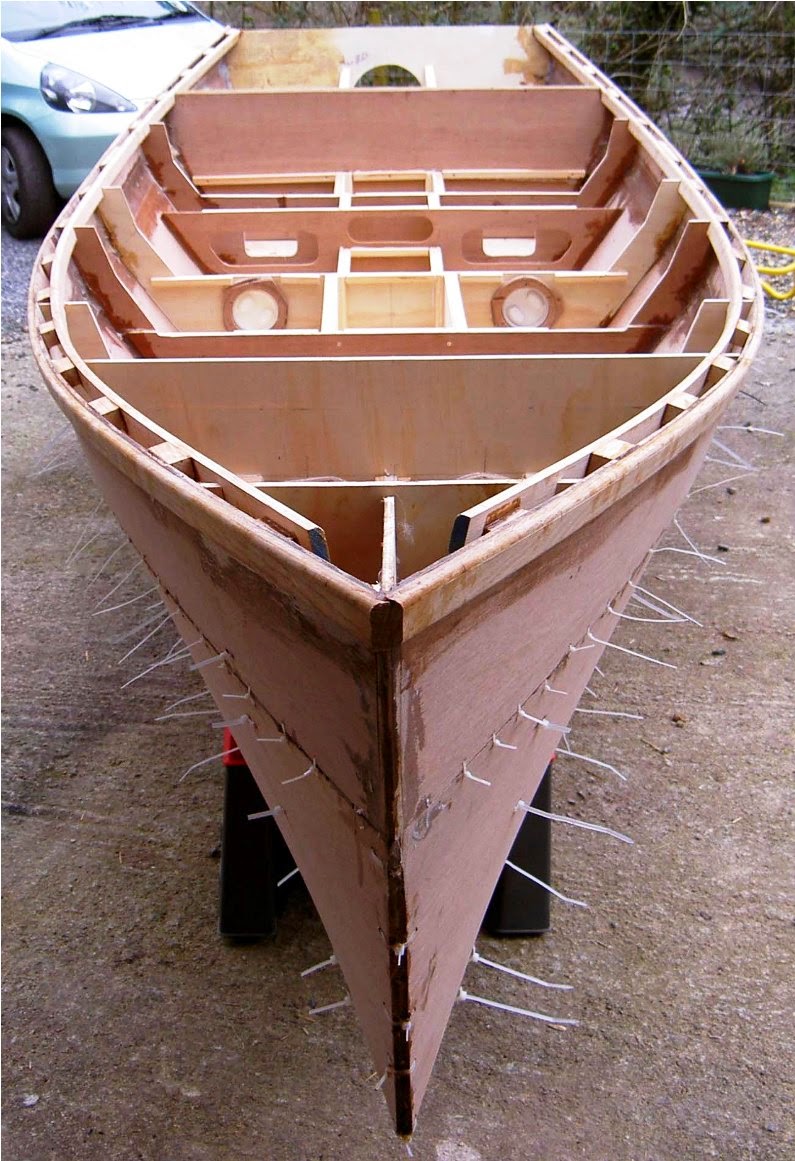
Stitch-and-glue boatbuilding, with its elegant simplicity and surprising strength, has captivated builders for decades. But beyond the readily available plans and tutorials, lies a world of unexplored possibilities and nuanced techniques rarely discussed. This article delves into those hidden depths, offering new perspectives for both seasoned craftspeople and enthusiastic beginners.
The Unsung Heroes: Material Choices Beyond the Usual Suspects
Most stitch-and-glue plans specify marine plywood and epoxy. But what if we challenged that?
Q: Can we use alternative materials for a more sustainable or cost-effective build?
A: Absolutely! While marine-grade plywood remains the gold standard for its water resistance, exploring alternatives like sustainably sourced hardwoods (carefully treated for rot resistance) for specific sections could reduce environmental impact and potentially costs. Consider using reclaimed wood, adding a unique character to your project, though meticulous preparation is crucial to prevent issues. Research into composite materials like recycled plastic lumber (with appropriate epoxy bonding strategies) opens even more avenues for eco-conscious boatbuilding. Remember to thoroughly research the suitability of your chosen materials and always prioritize strength and longevity.
Q: How can we optimize material usage to minimize waste and maximize efficiency?
A: Careful planning and precise cutting are paramount. Utilize CAD software to create detailed plans and optimize panel layouts, minimizing material wastage. Explore techniques like using offcuts for smaller components or creating jigs to ensure accurate and consistent cuts, reducing errors and the need for replacements. Furthermore, engaging with local woodworking shops and lumber yards for advice and potential scrap material sourcing can significantly reduce costs and waste. This is a great way to form connections within the woodworking community as well!
Beyond the Textbook: Refining the Stitch-and-Glue Technique
The core stitch-and-glue method is well-documented, but subtle variations can significantly impact the final product's quality and performance.
Q: Can we enhance the structural integrity beyond the standard stitching and gluing methods?
A: Yes! Consider incorporating techniques like strategically placed reinforcing strips of fiberglass or carbon fiber cloth within the epoxy layers, especially in high-stress areas like the keel and stem. This boosts structural integrity without significantly adding weight. Experiment with different epoxy formulations to enhance adhesion and durability. Using a combination of epoxy and polyurethane glues could result in added strength. Careful research is necessary to understand the compatibility of the materials used.
Q: How can we improve the finish and aesthetics beyond a simple paint job?
A: Think outside the box! Explore alternative finishing techniques such as using natural oils and varnishes for a more rustic look, or even incorporating inlays of contrasting wood species to add visual interest. Consider using specialized epoxy pigments to create unique color schemes, or even experimenting with textured finishes. These options not only enhance the boat's visual appeal but also demonstrate the craft's versatility.
Real-World Examples: Learning from Others' Experiences
One builder, John, shared his experience using reclaimed cedar planks for the decking of his stitch-and-glue kayak. The result was a stunning, unique vessel with a rich, aromatic finish that only improved with age. However, he learned the hard way that extensive preparation was key to counteracting the cedar's natural tendency to warp.
Another builder, Sarah, experimented with adding small, precisely-placed copper inserts into her epoxy layers. She found that this enhanced the boat’s resistance to fouling, requiring less frequent cleaning and extending the life of the finish.
These anecdotal examples highlight the value of experimentation and the wealth of knowledge available through shared experiences within the boatbuilding community. Online forums and local workshops are invaluable resources for learning from the successes and mistakes of others.
Conclusion: Stitch-and-glue boatbuilding offers an exciting platform for creativity and innovation. By exploring alternative materials, refining techniques, and learning from real-world experiences, both beginners and experts can push the boundaries of this rewarding craft, creating unique and high-performing vessels.