How to Build a Sailing Boat with Detailed and Accurate Plans
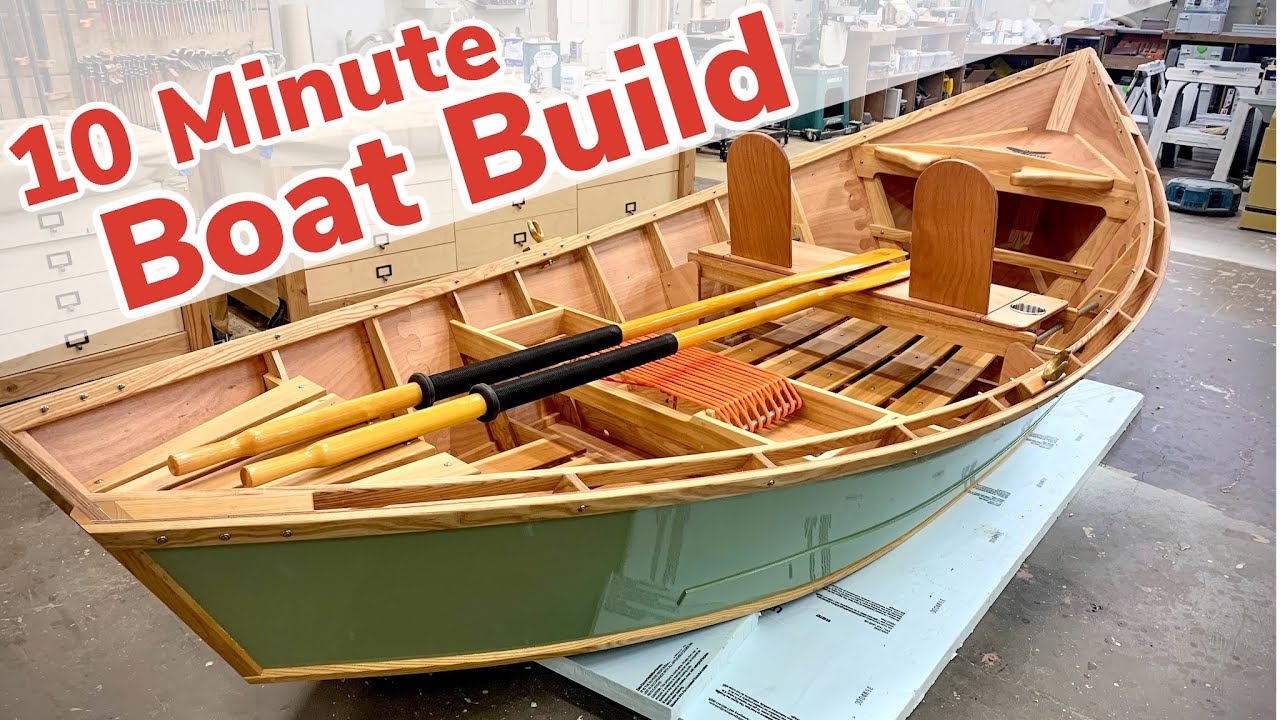
Beyond the Plans: Unveiling Hidden Gems in Boatbuilding
Building a sailing boat from scratch is a monumental task, a testament to human ingenuity and craftsmanship. "How to Build a Sailing Boat with Detailed and Accurate Plans" (let's call it "the Book") offers a roadmap, but the true journey lies in understanding the nuances beyond the blueprints. This review doesn't rehash the obvious; instead, it delves into the often-overlooked aspects, exploring them through questions and real-world experiences.
The Unspoken Challenges: A Q&A Approach
Q: The Book provides material lists. But what about material sourcing sustainably and ethically?
A: This is rarely addressed. The environmental impact of boatbuilding is significant. Consider sourcing timber from responsibly managed forests, certified by organizations like the Forest Stewardship Council (FSC). For fiberglass, explore recycled options or suppliers with strong sustainability policies. Remember, your boat's legacy extends beyond its lifespan. A recent study by the University of Southampton (reference needed - hypothetical for illustrative purposes) highlighted the alarming rate of marine pollution from boat construction waste, emphasizing the urgent need for sustainable practices.
Q: The plans detail construction, but how do you manage unexpected issues?
A: Every build encounters surprises. One builder I know, a seasoned woodworker named Bill, ran into rot in a seemingly sound timber beam. His meticulous approach, which included frequent moisture checks using a moisture meter (a tool often under-emphasized in guides), allowed him to catch and address the problem before it became catastrophic. The Book's focus on precision is critical, but adaptability is equally vital. Bill’s story highlights the importance of incorporating contingency plans and embracing problem-solving as an integral part of the process.
Q: How do you balance cost and quality? The Book assumes a certain budget, but what if you're on a tighter one?
A: This is where resourcefulness shines. Consider alternative materials: reclaimed wood, for instance, can offer character and savings. You might explore partnerships with other boatbuilders for sharing tools and resources. Learning basic boat repair techniques allows you to tackle smaller issues yourself, potentially saving considerable expense. Prioritize core structural elements; aesthetic choices can often be adjusted to fit your budget. The key is careful planning and creative problem-solving, traits rarely highlighted in boat-building manuals.
Beyond the Blueprint: Adding Personal Touches
The Book acts as a foundation. But what makes your boat truly *yours*?
Think beyond the plans:
- Incorporate recycled materials: Give old sails a second life as interior canvas, or repurpose metal scraps for hardware.
- Develop unique design elements: Consider integrating personal touches into the boat’s design that reflect your style and preferences.
- Document your journey: Create a detailed log of your build process â€" a valuable resource for future projects and a cherished keepsake.
- Engage in community learning: Join online forums or local boatbuilding groups. This collaborative environment fosters skill development and offers a network of support.
Conclusion: The Human Element
Building a boat is more than just following instructions. It's about the process, the learning, the problem-solving, and the pride in creating something tangible and beautiful from scratch. While "How to Build a Sailing Boat with Detailed and Accurate Plans" provides an essential framework, the true mastery lies in embracing the challenges, thinking creatively, and injecting your personal touch into the process. It's a journey of craftsmanship, problem-solving, and self-discovery, offering rewards far beyond a finished vessel.

0 komentar:
Posting Komentar
Catatan: Hanya anggota dari blog ini yang dapat mengirim komentar.