DIY Aluminum Boat Building: Essential Tips for Beginners
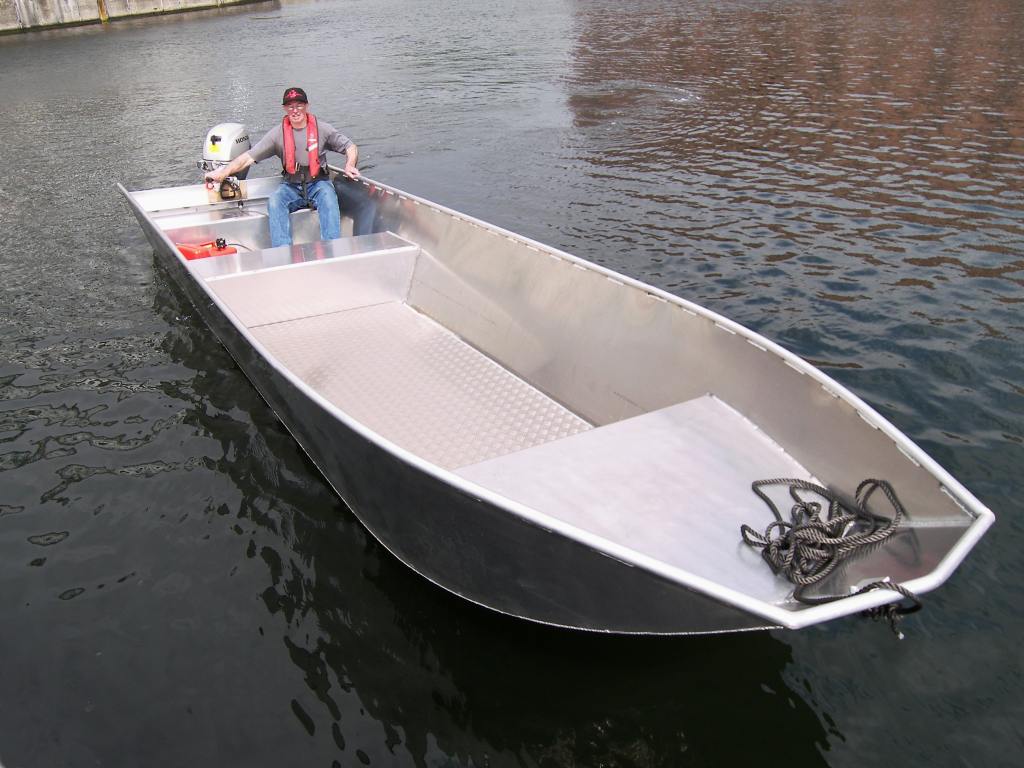
DIY Aluminum Boat Building: Essential Tips for Beginners
Building a boat from aluminum is a challenging but rewarding project. It requires meticulous planning, skilled craftsmanship, and a commitment to safety. This guide will provide essential tips for beginners embarking on this DIY adventure, helping you navigate the process and achieve a successful outcome.
Planning and Design
1. Define Your Needs and Goals
Before you start, clearly define what you want to accomplish. Consider the intended use of the boat: fishing, recreation, transportation, or a specific sport. Determine the size, capacity, and features that align with your needs.
2. Choose a Suitable Design
Select a design that matches your skill level and resources. There are numerous free and paid boat plans available online, from simple skiffs to more complex designs. Consider the following factors:
- Complexity: Start with a relatively simple design if you're new to boatbuilding.
- Materials: Choose a design compatible with aluminum construction.
- Stability: Ensure the design provides adequate stability for your intended use.
3. Gather Essential Tools and Materials
Invest in quality tools for accurate and safe work. The required tools include:
- Measuring tools: Tape measure, ruler, protractor, and calipers
- Cutting tools: Aluminum shears, plasma cutter, or bandsaw
- Bending tools: Break and bend the aluminum, ensuring proper shape and angles.
- Welding equipment: Invest in a quality MIG welder with the appropriate wire feed speed.
- Grinding tools: For removing burrs, smoothing welds, and preparing surfaces for finishing.
The materials needed vary depending on your chosen design, but typically include:
- Aluminum sheets: Select the appropriate thickness for your design, ensuring enough strength for the boat's intended use.
- Aluminum angle, channel, and rod: For structural support and framing.
- Fasteners: Aluminum rivets, screws, and bolts for joining components.
- Fiberglass resin and cloth: For sealing and reinforcing certain areas.
- Paint and coatings: Provide protection and a desired aesthetic finish.
Construction Process
1. Prepare the Working Area
Ensure a clean and organized workspace with adequate lighting, ventilation, and safety equipment. Use workbenches, clamps, and jigs to support your work and maintain accuracy.
2. Cut and Shape the Aluminum
Carefully cut the aluminum sheets and other materials using your selected tools. Refer to your plans and ensure precise measurements and smooth cuts. For bends, use bending tools or templates to achieve the desired curves and angles.
3. Assembling the Hull and Framework
Start by constructing the main framework of your boat. Use aluminum angle, channel, or rod, securing them with rivets or screws. Gradually build up the hull, ensuring proper alignment and rigidity.
4. Welding Aluminum
Welding is a crucial step in aluminum boatbuilding. Invest in proper training and familiarize yourself with the correct welding techniques. Utilize a MIG welder with the proper wire feed speed and shielding gas. Ensure consistent welds, paying attention to penetration and bead formation.
5. Sealing and Reinforcing
After welding, seal any gaps or holes with fiberglass resin and cloth. This provides a watertight and durable seal. Reinforce stress points like the bow and stern with additional aluminum plates or fiberglass layers.
6. Interior and Exterior Finishing
Sand and grind all welded surfaces to remove imperfections and prepare them for paint. Apply a suitable primer and paint with multiple coats, ensuring proper coverage and durability. Install any necessary hardware like cleats, handles, and lights.
Essential Tips and Safety Measures
1. Seek Guidance and Support
Don't hesitate to reach out to experienced boat builders or local boatbuilding clubs. They can provide valuable advice, support, and guidance throughout your project.
2. Prioritize Safety
Always wear appropriate safety gear: safety glasses, gloves, hearing protection, and a respirator when working with aluminum dust.
3. Inspect and Test Regularly
Thoroughly inspect your work at each stage, ensuring all welds are sound, and the structure is robust. Test the boat for leaks and stability before launching.
4. Document Your Progress
Keep detailed records of your construction process, including measurements, materials used, and any challenges encountered. This documentation will be helpful for future reference and troubleshooting.
5. Be Patient and Persistent
Building a boat takes time, effort, and dedication. Be patient, persistent, and don't be afraid to seek help when needed. The satisfaction of building your own boat is a rewarding experience.
Conclusion
Building an aluminum boat is a challenging but rewarding endeavor. By following these essential tips, beginners can embark on this project with confidence. Remember to plan carefully, prioritize safety, and seek guidance when necessary. With dedication and persistence, you can achieve a successful outcome and enjoy the fruits of your labor on the water.

0 komentar:
Posting Komentar
Catatan: Hanya anggota dari blog ini yang dapat mengirim komentar.