Best Materials for Building Wooden Boats: A Guide to Choosing the Right Wood
Best Materials for Building Wooden Boats: A Guide to Choosing the Right Wood
Crafting a wooden boat is an art form, one that demands an intimate understanding of the materials used. Selecting the right wood isn't just about aesthetics; it's about choosing a material that will stand the test of time, withstand the rigors of the water, and contribute to the boat's overall performance. From the sturdy oak to the graceful cedar, the world of boatbuilding woods offers a diverse range of options, each with its unique set of properties.
Factors to Consider When Choosing Wood
Before diving into the specific types of wood, let's understand the key factors that influence your choice:
Boat Type and Purpose
The intended use of the boat plays a crucial role. A sturdy workboat demands different qualities than a sleek racing dinghy. Consider the following:
- Size and Weight: A small, lightweight boat may favor a lighter wood, while a larger, heavier vessel necessitates a stronger, heavier wood.
- Speed and Maneuverability: A fast-moving racing boat might benefit from a lightweight wood, while a slower, more stable boat may prefer a denser wood.
- Exposure to Water: Boats that spend a lot of time in the water need a wood resistant to rot and decay.
Your Skill Level
Different woods present varying levels of difficulty to work with. A beginner may find a softwood easier to shape and carve, while an experienced boatbuilder might tackle a harder hardwood.
Budget
Wood prices can fluctuate significantly. Certain exotic woods are extremely expensive, while more common varieties are readily available and affordable.
Popular Wood Choices for Boatbuilding
Now, let's delve into the world of boatbuilding woods and explore their unique characteristics:
Oak
Oak is a classic choice for boatbuilding, known for its strength, durability, and resistance to rot. Its tight grain and natural oils make it ideal for planking and frames, offering excellent stability and longevity. Oak can be a bit heavy, making it less suitable for smaller, lighter boats.
Cedar
Cedar's aromatic scent and natural resistance to rot and insects make it a popular choice for boatbuilding. It's also lightweight and easy to work with, making it suitable for both planking and interior finishes. Cedar's soft texture may require extra care to prevent dents and scratches.
Mahogany
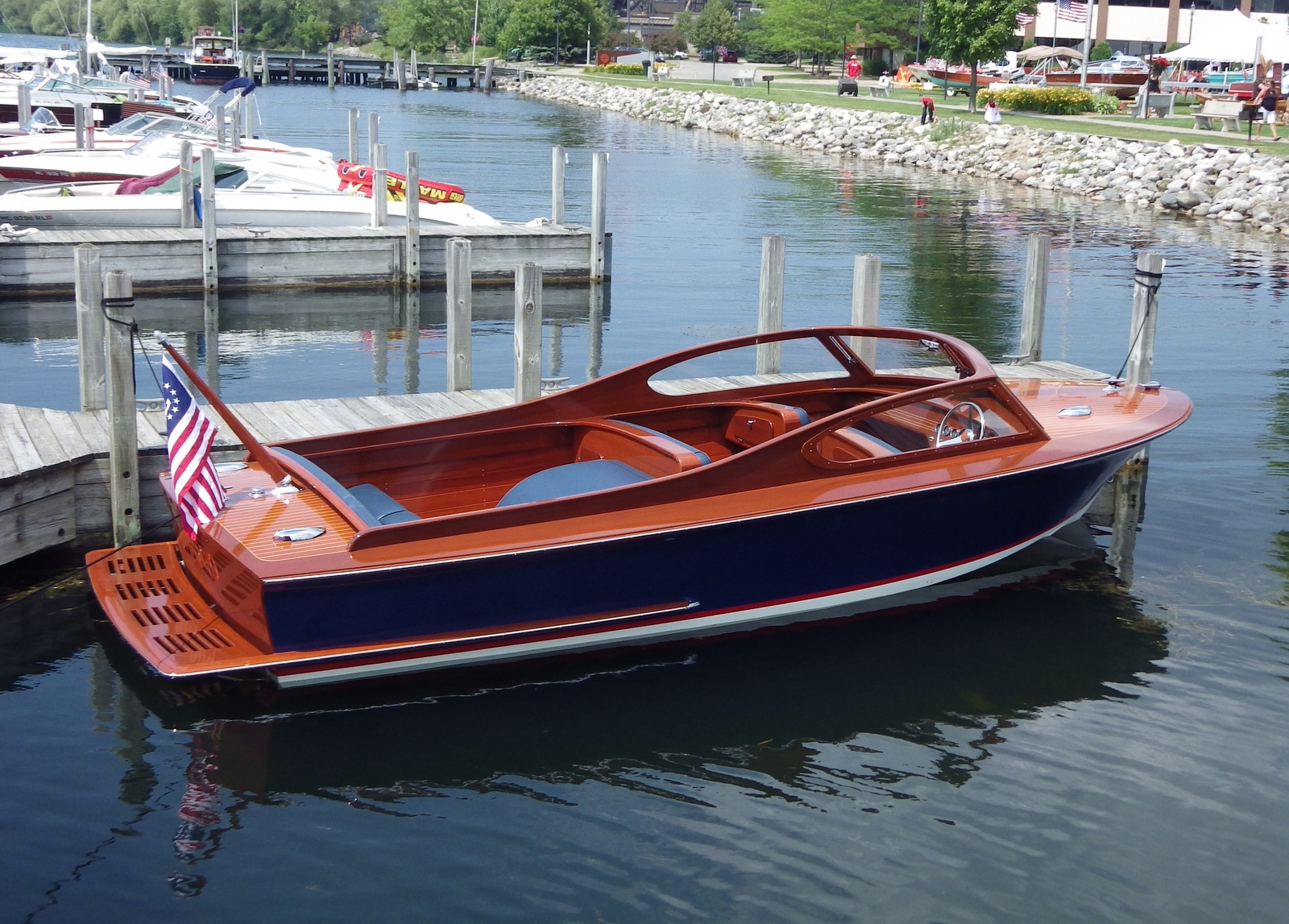
Mahogany boasts a beautiful, reddish-brown hue and a naturally attractive grain. It's relatively lightweight, strong, and easy to work with. Mahogany is frequently used in boatbuilding for planking, frames, and interior trim. It's also valued for its ability to hold a smooth finish.
Teak
Teak is highly prized for its durability, resistance to water and insect damage, and natural oils that help it weather gracefully. Its rich, golden color adds a touch of elegance to boats. Teak can be expensive and is known for its hardness, which can make it challenging to work with.
Pine
Pine is a softwood commonly used for framing and spars in smaller boats. Its lightweight nature and ease of working make it a popular choice for beginners. Pine is not as strong as hardwoods and is more prone to rot and insect damage, limiting its use in areas exposed to the elements.
Spruce
Spruce is known for its strength, lightness, and flexibility, making it a desirable wood for spars, masts, and other structural elements. It's also relatively inexpensive, making it an attractive option for budget-conscious boatbuilders.
The Importance of Proper Preparation
Regardless of the wood you choose, proper preparation is key. This includes:
- Thorough drying: Wood must be dried to a specific moisture content to prevent warping, cracking, and rot.
- Proper treatment: Applying a preservative, such as epoxy or marine varnish, can help protect the wood from the elements.
- Careful joinery: Strong, watertight joints are essential for a durable and watertight boat.
Conclusion
Choosing the right wood for your boat is a critical step in the building process. Consider the boat's purpose, your skill level, and budget. With careful planning and knowledge of the various wood options, you can create a boat that not only performs well but also stands the test of time, leaving a legacy for generations to come.

0 komentar:
Posting Komentar
Catatan: Hanya anggota dari blog ini yang dapat mengirim komentar.