DIY Mini Jet Boat Plans for Shallow Water Navigation
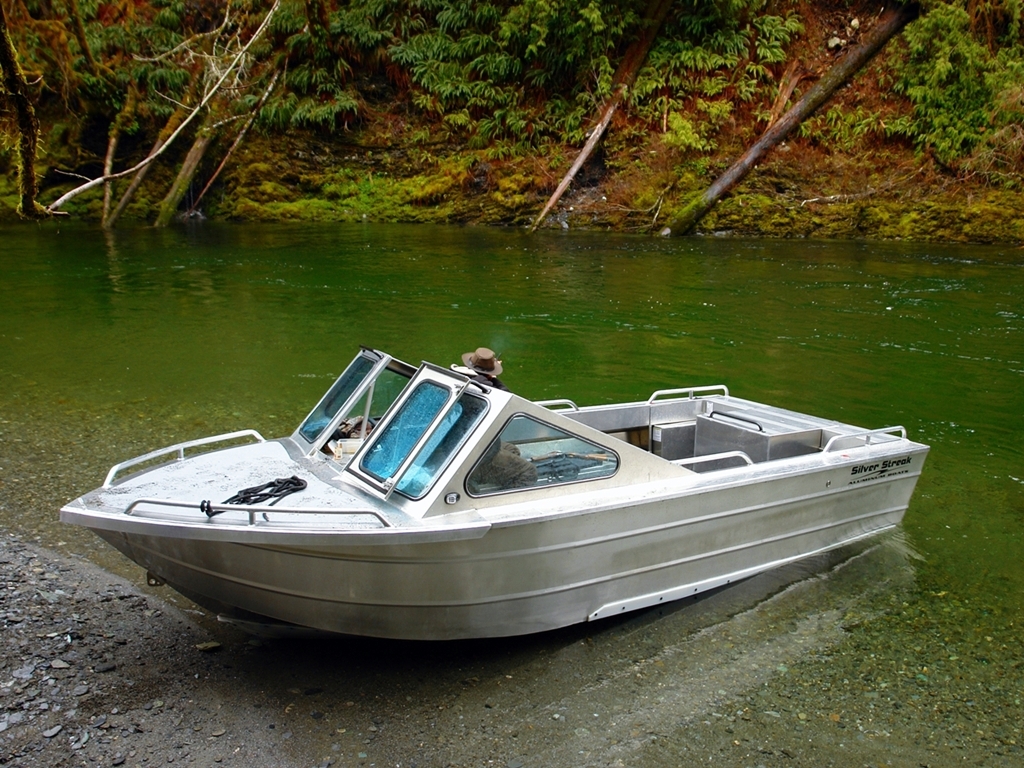
DIY Mini Jet Boat Plans for Shallow Water Navigation
This article provides a comprehensive guide to constructing a DIY mini jet boat, specifically designed for navigating shallow waters. It covers the essential components, construction steps, and crucial considerations for ensuring a safe and enjoyable boating experience.
Introduction
Mini jet boats are small, maneuverable vessels powered by jet drives, allowing them to navigate shallow waters with ease. They are ideal for exploring rivers, lakes, and coastal areas, providing access to areas inaccessible to traditional propeller-driven boats. Building a mini jet boat from scratch offers a rewarding experience, allowing enthusiasts to customize their vessel to their specific needs and preferences.
Design Considerations
Before embarking on the construction process, carefully consider the following design aspects:
Hull Type
The hull design significantly impacts the boat's performance and stability. For shallow water navigation, a flat-bottom or modified V-hull is recommended. Flat-bottom hulls offer excellent draft characteristics, enabling the boat to navigate shallow water with ease. Modified V-hulls provide a balance between shallow draft and stability, reducing the likelihood of the boat becoming unstable in rough water.
Size and Capacity
Determine the desired size and capacity of the boat based on intended usage and passenger numbers. Consider the weight of the engine, fuel, and passengers when selecting the appropriate hull size.
Engine Selection
The engine choice is crucial for optimal performance and efficiency. Consider factors such as power output, fuel consumption, and weight. Outboard motors are commonly used in mini jet boats, providing flexibility and ease of maintenance.
Jet Drive Selection
Jet drives are essential for navigating shallow water. Select a jet drive suitable for the chosen engine and hull size. Consider factors such as thrust output, nozzle diameter, and impeller design.
Materials
The choice of materials depends on the desired durability and budget. Fiberglass, plywood, and aluminum are popular options. Fiberglass offers exceptional strength and durability, while plywood is more affordable and readily available. Aluminum is lightweight and resistant to corrosion, making it suitable for marine environments.
Essential Components
Constructing a mini jet boat requires various components:
Hull
The hull is the boat's primary structure, providing buoyancy and stability. It is constructed from the chosen material, either fiberglass, plywood, or aluminum.
Deck
The deck provides a platform for passengers and equipment. It is typically constructed from fiberglass or plywood, with openings for the engine, steering, and other components.
Engine and Jet Drive
The engine and jet drive are the boat's power source, propelling the vessel through the water. The jet drive utilizes an impeller to create thrust, enabling the boat to move forward and maneuver in shallow water.
Steering System
A steering system controls the boat's direction. It typically consists of a steering wheel, cables, and a rudder or nozzle deflection mechanism.
Fuel Tank and Lines
A fuel tank stores the boat's fuel supply, while fuel lines deliver fuel from the tank to the engine. The tank size should be adequate for the intended operating range.
Navigation Lights
Navigation lights are essential for safe operation during low-light conditions. They include red and green sidelights, a white stern light, and a white masthead light.
Construction Process
Step 1: Hull Construction
Begin by constructing the hull using the chosen material. For fiberglass, lay up multiple layers of fiberglass cloth and resin onto a mold. For plywood, cut and assemble the hull panels according to plans. For aluminum, use pre-cut sheets and rivets to construct the hull.
Step 2: Deck Construction
Construct the deck using fiberglass or plywood, ensuring it fits seamlessly onto the hull. Cut openings for the engine, steering, and other components.
Step 3: Engine and Jet Drive Installation
Mount the engine and jet drive securely to the hull, ensuring proper alignment and clearance. Connect fuel lines, electrical wiring, and cooling systems.
Step 4: Steering System Installation
Install the steering system, connecting the steering wheel to the rudder or nozzle deflection mechanism. Ensure smooth operation and proper response.
Step 5: Fuel Tank and Lines Installation
Secure the fuel tank to the hull, ensuring proper venting and drainage. Install fuel lines, ensuring they are securely connected and routed properly.
Step 6: Navigation Lights Installation
Install the navigation lights according to regulations. Ensure they are properly wired and functioning.
Step 7: Final Touches
Complete the final touches, including painting, adding seat cushions, and installing any additional accessories. Test all systems before launching the boat.
Safety Considerations
Safety should be a paramount concern when operating a mini jet boat:
Life Jackets
Always wear a properly fitted life jacket when operating a boat. It is mandatory in many jurisdictions and can save lives in case of an accident.
Weather Conditions
Check weather conditions before launching the boat and avoid operating in strong winds or rough seas.
Boat Capacity
Do not exceed the boat's maximum capacity, as overloading can compromise stability and lead to accidents.
Fuel Handling
Handle fuel carefully and avoid spills or leaks. Always store fuel in properly ventilated areas.
Navigation Rules
Familiarize yourself with navigation rules and regulations applicable to your area.
Maintenance and Care
Proper maintenance is essential for extending the life of a mini jet boat:
Regular Inspections
Inspect the hull, engine, jet drive, steering system, and other components regularly for signs of wear or damage.
Engine Maintenance
Follow the engine manufacturer's recommendations for regular maintenance, including oil changes, filter replacements, and spark plug checks.
Jet Drive Maintenance
Clean and inspect the jet drive regularly, ensuring proper operation and wear prevention.
Hull Cleaning
Clean the hull after each use to remove debris and marine growth.
Conclusion
Building a DIY mini jet boat is a challenging but rewarding project. By carefully considering design aspects, using quality materials, and following the construction steps outlined in this article, you can create a reliable and enjoyable vessel for navigating shallow waters. Remember to prioritize safety and maintenance to ensure a long and enjoyable boating experience.

0 komentar:
Posting Komentar
Catatan: Hanya anggota dari blog ini yang dapat mengirim komentar.