Plywood Boat Plans for Customizing Your Watercraft Design
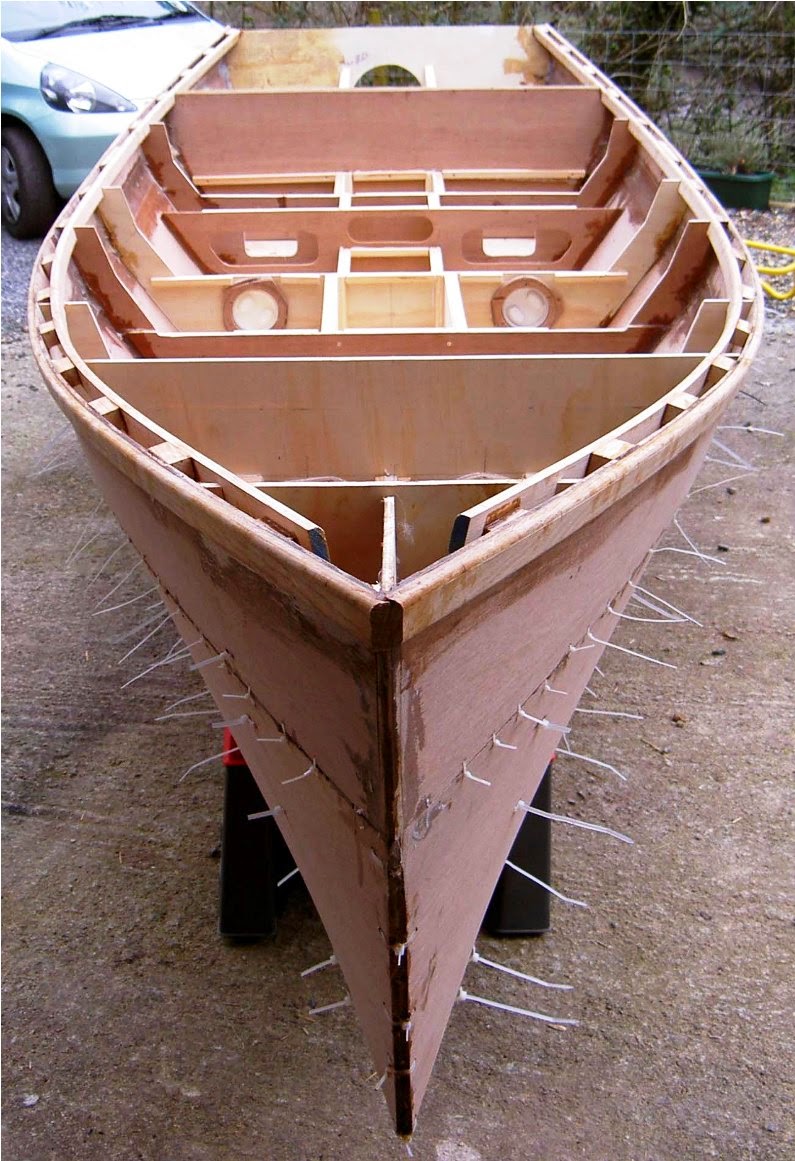
Plywood Boat Plans: Beyond the Blueprint â€" Unveiling Uncharted Waters in Custom Design
Building a boat from plywood is a rewarding challenge, a blend of artistry and engineering. While countless plans exist, truly customizing your watercraft often feels like navigating uncharted waters. This article delves beyond the standard advice, exploring fresh perspectives and innovative techniques for those daring to push the boundaries of plywood boat design.
Question 1: Beyond the "Standard" Hull Shapes â€" Exploring Biomimicry and Advanced Geometry
Most plywood boat plans stick to traditional hull forms. But what if we looked to nature? Biomimicry, mimicking nature's designs, offers a wealth of untapped potential. Think about the hydrodynamic efficiency of a dolphin's body or the stability of a sea turtle's shell.
Answer: Computational Fluid Dynamics (CFD) and Parametric Design
Thanks to advancements in software, we can now leverage Computational Fluid Dynamics (CFD) simulations to test unconventional hull designs derived from biomimicry. Parametric design software allows for rapid iteration and optimization of hull shapes, exploring complex curves and geometries impossible to achieve with traditional methods. Imagine a hull inspired by the sleek lines of a penguin, optimized through CFD for minimal drag and maximum speed. This opens doors to unique, high-performance craft.
Question 2: Material Innovation â€" Going Beyond Marine Plywood â€" Exploring Composites and Sustainable Alternatives
Marine plywood is the mainstay, but are there more sustainable and/or stronger alternatives?
Answer: Sustainable and High-Performance Composites
Consider incorporating recycled or sustainably sourced materials like bamboo plywood or combining plywood with bio-resins or other composites to improve strength-to-weight ratios. Research into flax or hemp fibers as reinforcing elements offers a more environmentally friendly route. These approaches require careful consideration of material properties and bonding techniques, but the potential for creating a truly “green†boat is significant. Furthermore, integrating carbon fiber or fiberglass reinforcements in strategic areas could dramatically boost strength and reduce weight, improving performance and longevity.
Question 3: Beyond Simple Aesthetics â€" Integrating Smart Technology and Functionality
A beautiful boat is one thing, but a smart boat is another level altogether. How can we integrate modern technology seamlessly into our plywood designs?
Answer: The Smart Boat Revolution
Imagine embedding sensors within the plywood structure to monitor hull integrity, water ingress, or even strain levels. Integrating a GPS tracking system, solar panels for power, or even automated bilge pumps adds a new dimension of functionality and safety. The possibilities extend to incorporating smart lighting, wireless communication systems, and even remotely controlled features.
Real-World Example: The "Bio-Wave" Kayak
A recent project at the University of Washington's College of Ocean and Fishery Sciences showcased a prototype kayak, nicknamed “Bio-Waveâ€, designed using biomimicry principles and parametric modeling software. Students integrated sustainable bamboo plywood with a bio-resin. The resulting hull shape, inspired by the streamlined body of a harbor seal, exhibited significantly improved efficiency compared to traditional kayak designs. This isn't just a theoretical concept; it's a demonstrably successful example of pushing the boundaries of plywood boat design.
Conclusion: Charting Your Course
Plywood boat building is far from a stagnant field. By embracing new technologies, materials, and design philosophies, we can unlock a wealth of possibilities and create truly unique and innovative watercraft. The key is to combine traditional craftsmanship with a forward-thinking approach, blending artistry with engineering and sustainability. The future of plywood boat design is not just about building boats; it’s about building a more sustainable and efficient relationship with the water.
Disclaimer: Always prioritize safety and consult with experienced boat builders or naval architects before implementing unconventional designs or materials. Proper construction techniques and adherence to safety regulations are crucial for the success and safety of any boat building project.

0 komentar:
Posting Komentar
Catatan: Hanya anggota dari blog ini yang dapat mengirim komentar.